July 6, 2026
Understanding when to replace your water heater is crucial for maintaining comfort and efficiency in your home. This article will explore the signs and factors you need to consider before investing in professional water heater replacement services. By arming yourself with this knowledge, you can ensure an uninterrupted hot water supply, avoid unexpected malfunctions, and keep energy costs in check. With various types and models available today, knowing the specifics as to why a replacement might be necessary can save you time and resources. Through examining the lifespan, wear and tear signs, costs, energy efficiency, and installation factors, you will be well-equipped to make an informed decision.
Understanding the Lifespan of Your Water Heater
Average Lifespan of Different Types
The lifespan of a water heater largely depends on its type and usage. Factors such as water quality, heater usage, and regular maintenance play a significant role in how long a unit can serve a household. According to Home Advisor, your water heater should last up to 15 years when properly maintained by professionals. Understanding these timelines aids homeowners in planning for expert water heater replacement services and managing expectations for their systems.
Factors Influencing Longevity
Several factors influence the longevity of your water heater, including maintenance frequency, water quality, and installation quality. Mineral buildup from hard water can lead to shortened heater life, as it causes corrosion and inefficient heating. Regular maintenance, such as flushing the tank and checking the anode rod, can greatly enhance the durability of the unit. Proper installation is also crucial; incorrect fitting can cause strain on the system, leading to premature wear and tear. Awareness of these factors ensures that homeowners can take practical steps to extend the useful life of their heaters.
Reading the Serial Number for Age
The serial number on a water heater is key to determining its age, typically located on the upper portion of the unit. Most manufacturers encode the manufacturing date within the serial number, often represented by the first four digits. For example, the first two numbers might indicate the year, while the following two represent the month. Knowing how to decode this information helps in assessing the age of the water heater and planning when a replacement might be due.
Recognizing Signs of Wear and Tear
Leaks and Puddles Near the Unit
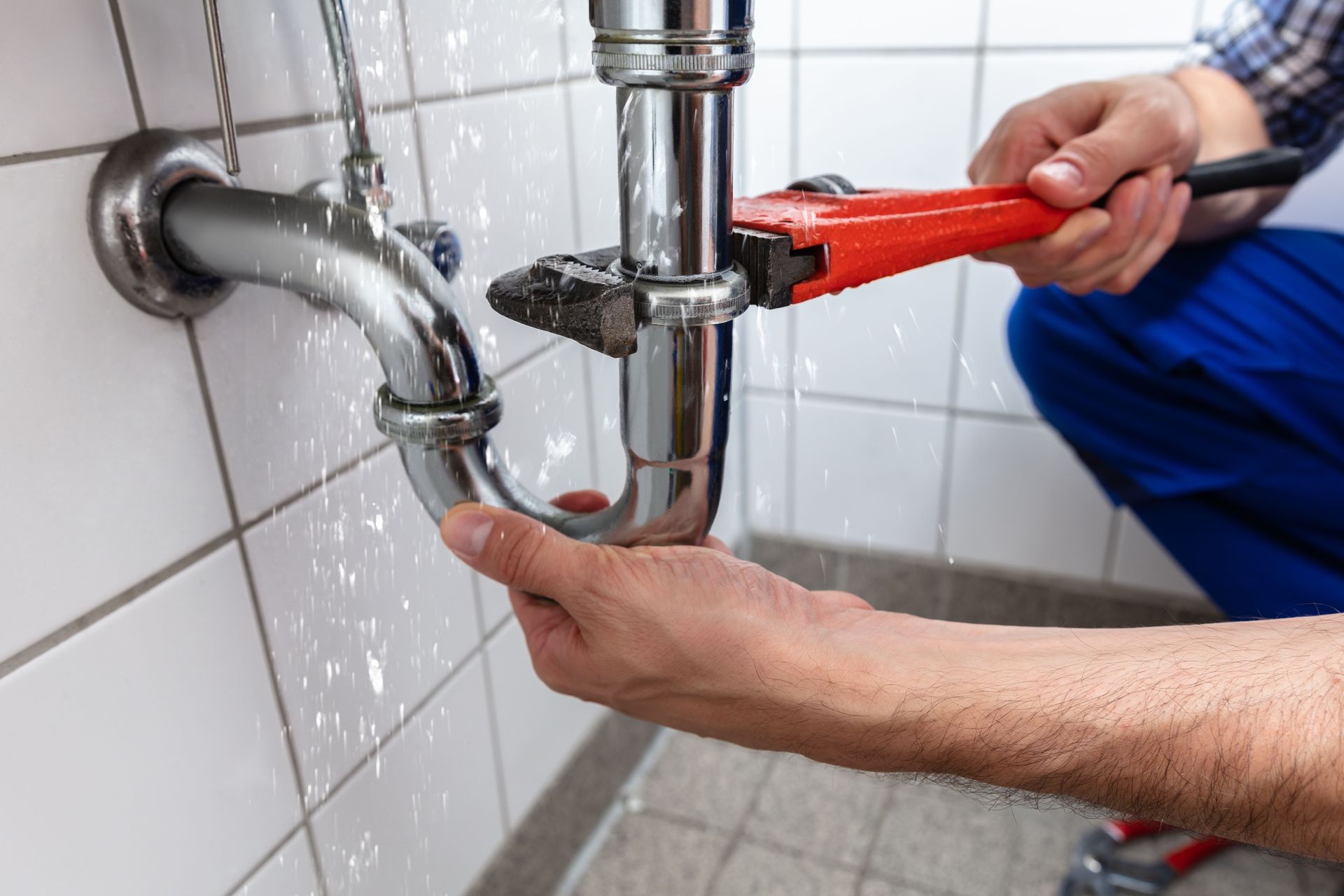
Leaks and puddles around the water heater's base are strong indicators of potential system failure. This could result from issues like a faulty pressure relief valve, damaged tank liner, or worn-out connections. While some leaks may be repairable, persistent or significant leakage often suggests that the unit is nearing the end of its lifespan and requires professional water heater replacement services. Ignoring such signs can lead to increased water damage and escalating repair costs, emphasizing the need for timely interventions.
Unusual Noises from the Heater
Noises such as banging, popping, or rumbling from the water heater signal wear and tear or sediment buildup. These sounds often indicate that mineral deposits have accumulated on the heating elements, causing inefficiencies and increased energy consumption. Regularly flushing the tank assists in removing sediment, but if noises persist, it may be time to replace the unit. Addressing these auditory signals promptly helps prevent further deterioration of the water heater's components. Being attentive to such internal sounds ensures that maintenance needs are met promptly and efficiently.
Inconsistent Water Temperatures
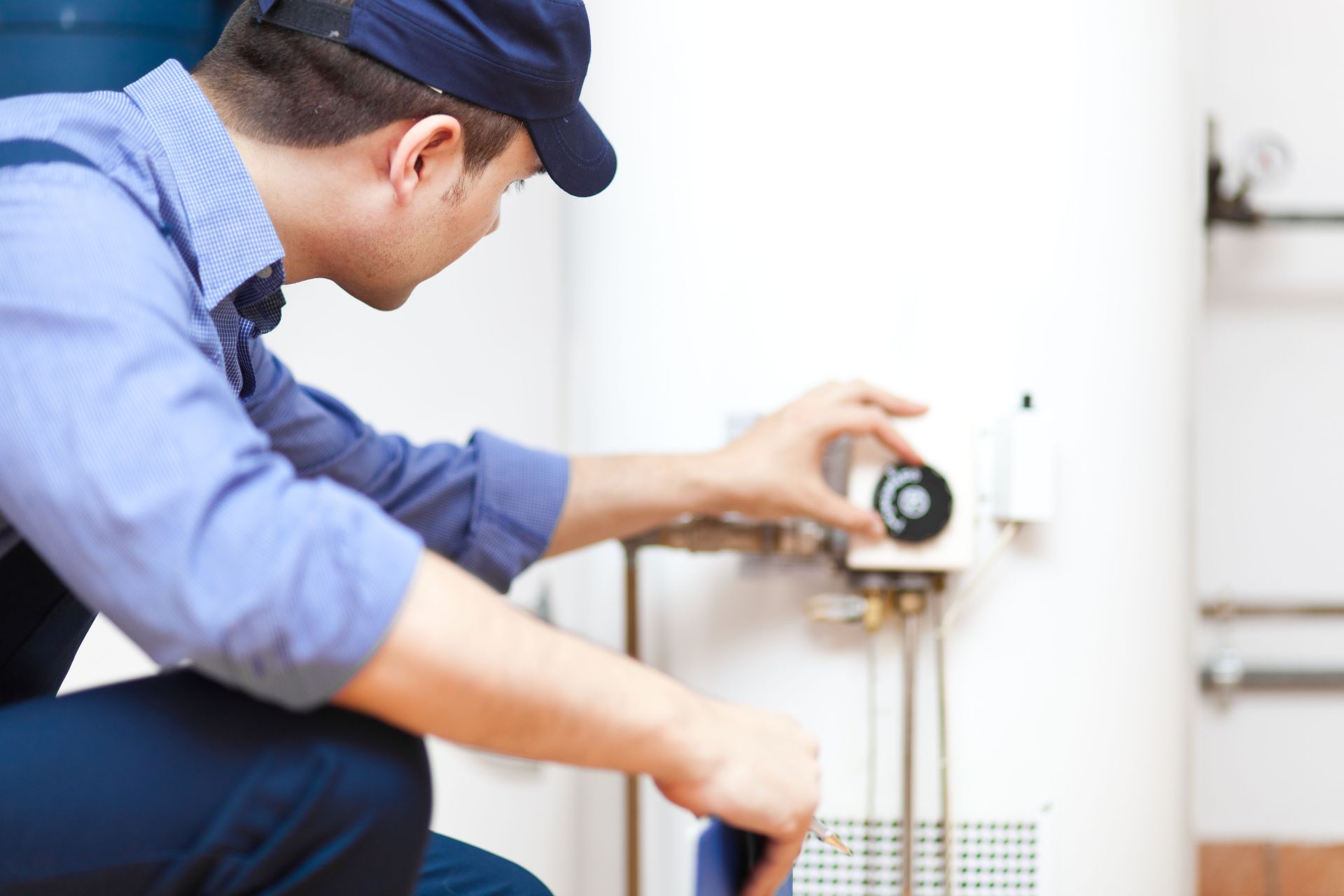
Fluctuating water temperatures are a sign that your water heater may be losing its efficiency or that the thermostat is malfunctioning. Inconsistent heat levels can stem from a faulty heating element or sediment buildup affecting the unit's performance. Regular maintenance can mitigate these issues, but frequently occurring temperature issues might require water heater replacement services. Investing in a new water heater, in such cases, can provide a more reliable and efficient hot water supply. Homeowners must evaluate these inconsistencies as they arise to ensure continuous comfort in household water usage.
Evaluating Repair versus Replacement Costs
Cost Analysis of Frequent Repairs
When water heaters frequently require repairs, replacement may be more cost-effective in the long term. Expensive repairs that accumulate can oftentimes outstrip the cost of buying and installing a new unit. Additionally, frequent breakdowns contribute to increased stress and inconvenience, interrupting household routines. Consulting with an expert team to assess the cumulative costs of maintaining an older unit versus investing in new technology can clarify the most economical option.
Warranty Considerations and Coverage
Before deciding on repairs or replacement, reviewing the warranty coverage of the existing unit is essential. Manufacturer warranties can offer insights into potential coverage for specific repairs, reducing out-of-pocket costs. However, warranties typically have time limits, after which repairs become fully chargeable. If a unit is near or beyond its warranty period, scheduling water heater replacement services might be a more economically sound decision, ensuring continued warranty protection on a new model. Understanding warranty details equips homeowners with the knowledge to make financially sound decisions regarding their water heaters.
Long-Term Savings with a New Unit
Investing in a new water heater can lead to long-term savings by improving energy efficiency and reducing repair costs. Modern water heaters include advancements in technology that allow them to operate more efficiently and with less energy consumption. As a result, households see a decrease in utility bills almost immediately after installing a newer, more efficient model. Though the initial investment might seem significant, the long-term reduction in energy consumption often recovers the initial outlay within a few years.
Exploring Energy Efficiency Options
Benefits of Energy Star-Rated Models
Choosing an Energy Star-rated water heater guarantees an energy-efficient solution, often resulting in significant savings on utility bills. These units adhere to strict guidelines set by the EPA, ensuring they offer reduced energy consumption while maintaining high performance. With energy-efficient models, the reduction in utility expenses can often cover the cost of the unit in energy savings within a few years. These certified models also qualify for incentives, rebates, and tax credits, further lessening the investment cost. Opting for Energy Star-rated heating appliances makes environmental and financial sense, encouraging sustainable consumption.
Technology Advancements in Modern Units
Modern water heaters incorporate innovative technology enhancements that improve user control, performance, and energy efficiency. Features such as Wi-Fi connectivity enable homeowners to manage and adjust heater operations remotely, optimizing performance according to actual demand. Self-cleaning capabilities and advanced thermal efficiency are standard features that enhance system reliability and longevity in the latest models. The incorporation of more efficient heating elements and insulation materials also ensures meaningful energy savings. Thus, investment in modern technology facilitates a more interconnected and efficient household water heating system.
Savings on Utility Bills
Replacing an aging water heater with a modern, energy-efficient model can significantly reduce energy bills. As older units age, their efficiency diminishes, often consuming more energy for the same output. Newer models, designed with enhanced efficiency standards, utilize advanced heating technology and better insulation, translating to lower energy use. This reduction in energy consumption offers cost-effectiveness and supports environmentally-friendly housing practices over time. Evaluating these expected savings against the cost of new water heater replacement services helps confirm the financial advantage of an upgrade.
Recognizing the subtle warning signs of a failing water heater is essential for preventing catastrophic property damage and unexpected disruptions to your daily routine. While regular flushing and anode rod replacements can prolong a unit's lifecycle, issues like recurring puddles, persistent sediment noise, and erratic temperatures indicate that a system has reached its limit. Upgrading to a modern, Energy Star-rated model eliminates the compounding costs of frequent patches while immediately lowering your monthly utility expenses through advanced thermal design.
Contact us today to schedule your dependable water heater replacement services and guarantee a steady, energy-efficient supply of hot water for your entire household!